
Programme Industries Culturelles et Créatives (PICC)
The Cultural and Creative Industries Program (PICC) is part of the French government’s strategy to support and strengthen the international development of French cultural and creative industries, led by the French government and the Institut français.
This program aims to support projects that foster the circulation of works, artists, and expertise, while strengthening international collaboration in the cultural sector.
A program supporting creative industries
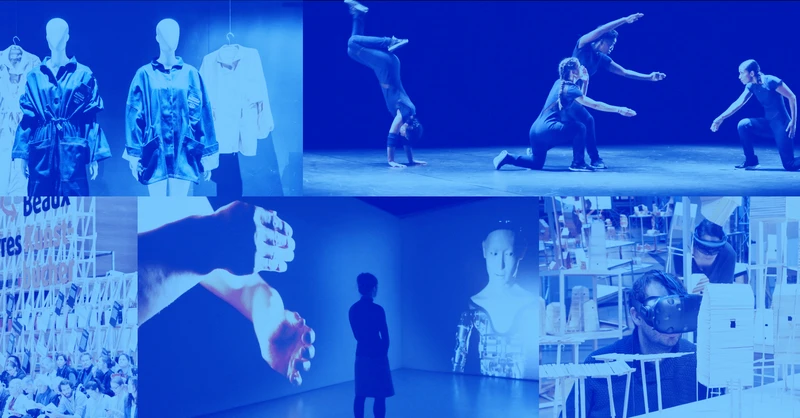
The PICC supports the development of cultural and creative industries through a cross-sector approach covering a wide range of disciplines:
Visual arts
Architecture
Cinema and series
Audiovisual creation
Digital creation
Design
Video games
Books and publishing
Crafts
Fashion
Music
Performing arts
Jukwaa – Biennale EuroAfrica Montpellier
Jukwaa is a collaborative artistic and networking project connecting Europe and East Africa, in partnership with Halle Tropisme and the EuroAfrica Biennale in Montpellier.
The project aims to build a sustainable network between artists and professionals in the cultural and creative industries through collaborations, training, and peer-to-peer exchanges. Running from 2025 to 2026, Jukwaa combines meetings, workshops, and artistic creation between Montpellier and Rwanda.
The project contributes to:
- Strengthening artists’ capacities
- Developing international collaborations
- Structuring a network between Europe and East Africa
Kigali Breaking Cypher – Le Phare
Kigali Breaking Cypher is a project dedicated to urban cultures and breaking, developed in partnership with Le Phare – National Choreographic Center for Dance (Le Havre).
It aims to structure and professionalize the breaking scene in Rwanda while strengthening international artistic exchanges.
The project includes:
• Breaking competitions and battles
• Workshops and masterclasses with international artists
• Artistic creation and touring projects
• Exchanges between artists from East Africa and Europe
It contributes to:
• Developing dancers’ skills
• Supporting emerging talent
• Strengthening artist circulation
• Positioning breaking as a cultural and professional lever